
ASTM F623-25 Update: Key Changes to the Foley Catheter Performance Specification
In June 2025, ASTM released an updated version of the Foley catheter standard: ASTM F623-25. This revision replaces the previous ASTM F623-19 standard and introduces important changes that may impact regulatory submissions, product classifications and test strategies for manufacturers of urological medical devices.
We support our clients in navigating such updates by offering comprehensive testing services that ensure compliance and maintain product safety across global markets.
What Is ASTM F623?
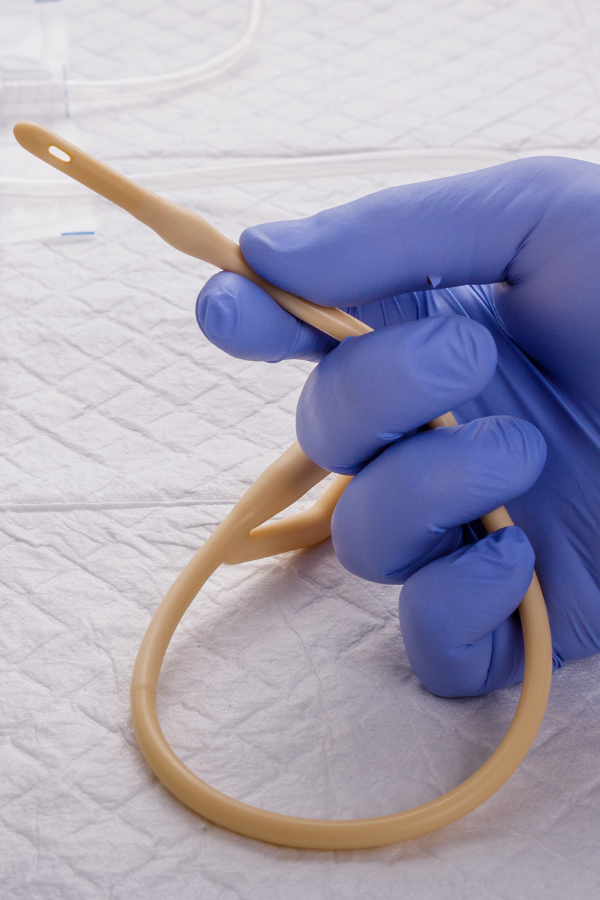
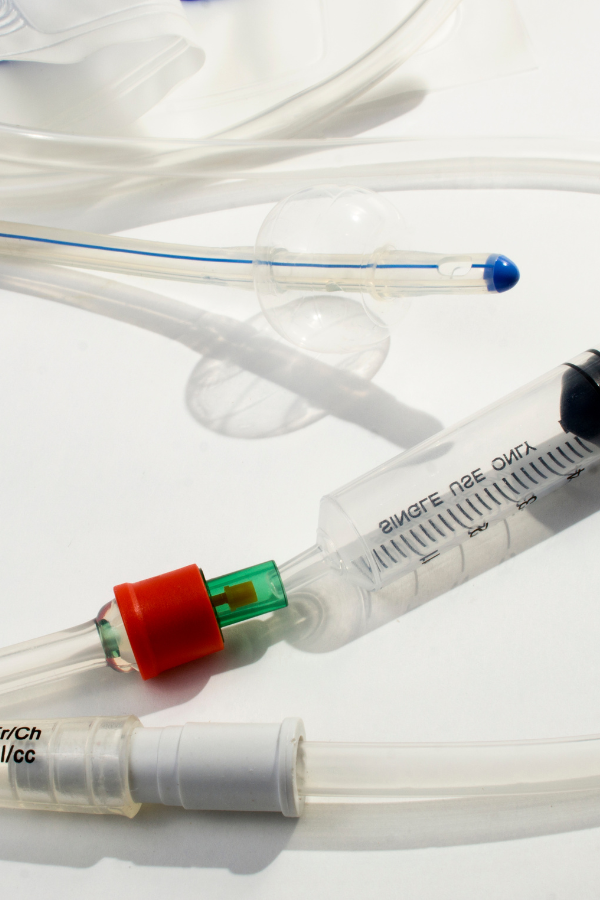
ASTM F623 is the Standard Performance Specification for Foley Catheters, defining physical performance characteristics and test methods. While it has traditionally focused on catheter durability, retention, and flow characteristics, the 2025 revision introduces new definitions, clarified scope and updated unit standards that impact interpretation and application.

Type:
Author:

Ileah Chissick
Ileah is a Technical Senior Scientist in the Physical and Combinations department at Cormica. She brings expertise in catheter and catheter accessory testing and technical insights to the team.
What’s Changed in ASTM F623-25?
1. Updated Scope for Short-Term Use
The standard now specifies that it applies to single-use balloon retention catheters intended for short-term use, defined as more than 24 hours but less than 30 days. This update introduces a clearer boundary, but it also leaves a gap. Foley catheters used for less than 24 hours aren’t explicitly included, even though they fall under the same device classification.
If your product is used for shorter durations, such as in outpatient or emergency settings , this change could influence how you justify standard selection during regulatory submissions.
2. Clarification Around Chemically Treated Catheters
ASTM F623-25 explicitly states that chemically treated catheters — including those with antimicrobial or hydrophilic coatings — are not comprehensively covered by the standard. The specification focuses solely on physical test methods, without addressing chemical treatment effects.
If your catheter includes any surface treatment, it’s important to plan for additional chemical or biocompatibility testing, as these aspects fall outside the scope of this standard.
3. Updated Biocompatibility Classification
The new version revises how Foley catheters are described in terms of biological contact. They are now classified as externally communicating devices contacting natural channels (mucosa), rather than simply surface devices contacting mucosal membranes.
While this change may appear subtle, it could influence biological evaluation planning, particularly when determining which endpoints to assess under ISO 10993.
4. Standardisation of Units
One of the more practical updates is the consistent use of SI units throughout the document. Previously, measurements often included both metric and imperial units, which sometimes led to confusion. Now, the standard sticks to a single unit per measurement — for example:
- Flow rate is expressed in mm/min, replacing cm³/min
- Balloon inflation volume is reported in mL, instead of cm³
Although the test procedures themselves remain unchanged, this update streamlines data reporting and ensures greater consistency across test reports and regulatory files.
How Cormica Can Support You
Whether you’re developing a new Foley catheter or updating existing documentation to align with ASTM F623-25, Cormica is here to help. From physical performance testing to chemical and biocompatibility assessments, our team offers a complete testing solution tailored to the latest standards.
Reach out to us to discuss how these changes may apply to your product and how we can support your compliance strategy.