


Ophthalmic Device Testing

Ophthalmic devices and ocular drug-device products must meet strict safety and performance expectations due to their direct contact with sensitive eye tissues. From early development through to commercial production, testing plays a critical role in demonstrating material compatibility, controlling particulates, and supporting sterile product safety.

Testing programmes for ophthalmic devices evaluate particulate contamination, materials compatibility, microbiological safety, and lifecycle performance. Alignment with standards such as ISO 11979 helps generate robust, regulator-ready data to support global regulatory submissions.

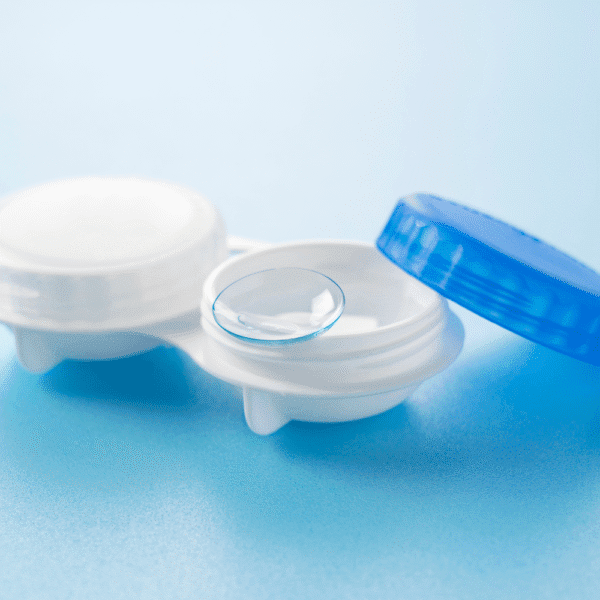
Close-up studio image of a soft contact lens placed in an open contact lens storage case on a blue background.

Why testing is critical for Ophthalmic devices

Devices used in ophthalmology require exceptional levels of safety and quality. Even small levels of particulate contamination or material incompatibility can affect product performance and patient safety.

Key challenges include:

    • Controlling particulate contamination
    • Demonstrating materials compatibility with ocular tissues
    • Maintaining sterility and microbiological safety
    • Managing extractables and leachables risks
    • Supporting long-term product stability and performance
    • Meeting global regulatory expectations for ocular products

Comprehensive testing helps identify risks early and provides the evidence required for regulatory approval.

Ophthalmic devices testing services across the device lifecycle

Analytical Chemistry

Material characterisation, extractables and leachables studies, and particulate analysis support product safety.

Microbiology & Sterility

Sterility, bioburden, and endotoxin testing support microbiological safety and regulatory compliance.

Physical & Packaging Testing

Packaging validation, container closure integrity testing, and stability support long-term product performance.

Biocompatibility & Toxicology

ISO 10993 biological evaluation and toxicological risk assessment support safe ocular contact.

Consultancy & Scientific Support

Testing strategies and submission support help navigate global regulatory pathways.

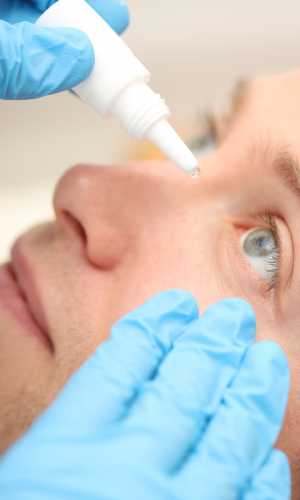
Eye drops portrait image

Supporting every stage of the Ophthalmic devices lifecycle

  • Research & Early Development

    Material selection and early characterisation support compatibility and performance.

  • Design Verification

    Testing confirms materials, particulate control, and microbiological safety meet design inputs.

  • Design Validation

    Evidence is generated to demonstrate safe and effective use in real-world conditions.

  • Regulatory Submission & Approval

    Testing data supports global regulatory submissions and compliance.

  • Commercial Production & Post-Market Support

    Ongoing testing supports lifecycle compliance and change management.

Ophthalmic devices standards and regulatory expectations

Testing programmes for ophthalmic devices are typically aligned with key international standards, including:

    • ISO 11979 for intraocular lenses and related ocular devices

Alignment with recognised standards helps ensure robust, regulator-ready data for global submissions.

Partner with Cormica

Integrated testing programmes bring together expertise across microbiology, analytical chemistry, physical testing, and biocompatibility to support device development from concept through to commercialisation. Decades of experience across hundreds of device programmes worldwide help teams generate reliable data and move forward with confidence.

Laboratories near you, supporting global product success

With accredited laboratories in the UK, EU and US, we support pharmaceutical, medical device and combination product manufacturers worldwide. Local support combined with global quality, delivered by teams who understand your regulatory requirements.

Cormica Award winning Testing laboratories
Cormica Global Map locations (1)

Our Clients’ Experiences

enquiries

Scroll to Top