
Biocompatibility Testing
Ensuring the biological safety of a medical device is a critical part of development and the regulatory pathway. From defining the right biological endpoints to generating the evidence needed for submission, an effective biocompatibility strategy can help identify risks earlier and avoid unnecessary testing or delays.
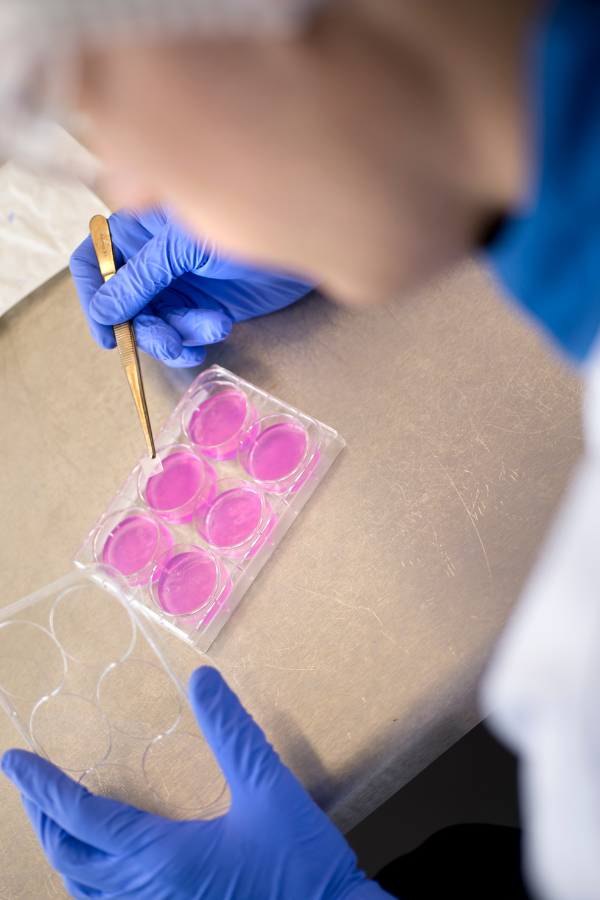
With decades of experience, expert biocompatibility scientists and facilities supporting clients worldwide, our teams help manufacturers navigate ISO 10993 requirements and develop testing strategies appropriate to their device, intended use and target markets.
What is ISO 10993 Testing?
ISO 10993 is the internationally recognised standard for evaluating the biocompatibility of medical devices or combination devices. This series of tests assesses how your medical device interacts with biological systems, ensuring it is safe for human use. Depending on your product’s intended use and contact duration with the body, the appropriate tests are determined from the ISO 10993 matrix.
FDA transition to ISO 10993-1:2025
The FDA partially recognised ISO 10993-1:2025 on 25 May 2026. ISO 10993-1:2018 declarations of conformity remain accepted for premarket submissions until 1 July 2029, after which they will no longer be accepted.
Recognition excludes “consumer products” in Clause 6.5.11.3, due to conflict with the FDA’s September 2023 guidance, and Clause 6.9, due to conflict with ISO 14971:2019. The FDA also highlights potential differences between the additional genotoxicity requirements in Tables 2–4 and Clause 6.5.7 and its 2023 guidance for some prolonged-contact devices.
Manufacturers should use the recognised provisions alongside FDA guidance and ISO 14971:2019, with early discussion with the relevant FDA review office encouraged for genotoxicity, intermittent contact, bioaccumulation, foreseeable misuse and lifecycle application.
Contact Us Today!
ISO 10993 Test Finder
Supporting you with ISO 10993-1:2025, EN ISO 10993-1:2025, FDA guidance and ISO 18562-1
| Biological Effects | Requirement |
|---|
E = Effect
* Genotoxicity (Limited contact)
Only required for medical devices used in extracorporeal circuits or implantable medical devices.
† Local Effects After Tissue Contact
Only considered for medical devices having direct contact with other tissues in addition to circulating blood.
If tissue contact is indirect, this aspect is typically addressed within the haemocompatibility evaluation.
Ensuring Patient Safety with Rigorous testing
How We Can Support You
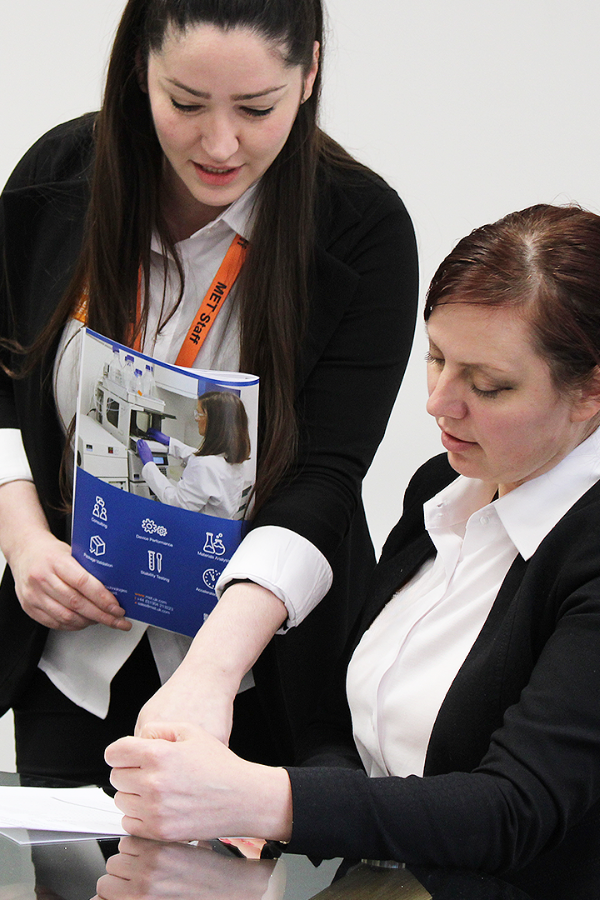
The path to regulatory approval can be complex, long winded and extremely stressful. Our team of seasoned experts are here to assist you at every stage of launching and releasing your medical devices, from selecting the appropriate tests for your device to ensuring compliance with international regulations (EU MDR, EU IVDR, FDA, SOR/98-282, IMDRF, PMDA +)
Our Biocompatibility Testing Suite
- Chemical Characterization
- Cytotoxicity
- Irritation
- Sensitization
- Material Mediated Pyrogenicity
- Acute Systemic Toxicity
- Subacute Toxicity
- Subchronic Toxicity
- Chronic Toxicity
- Genotoxicity
- Carcinogenicity
- Hemocompatibility
- Implantation
- Reproductive / Developmental Toxicity
- Degradation
Cormica Consultancy
We also work closely with you to develop Biological Evaluation Plans (BEPs), Biological Evaluation Reports (BERs), Clinical Evaluation Plans (CEPs), and Clinical Evaluation Reports (CERs) that are critical for a thorough biocompatibility evaluation, meeting global regulatory expectations.
Contact our dedicated sales team to discuss your biocompatibility testing needs. We’ll help you navigate the complexities of ISO 10993 testing and support you through the best path to regulatory compliance.
Biocompatibility Related Resources: