



ISO 11040-8:2026 – What Has Changed for Finished Prefilled Syringes?

The publication of ISO 11040-8:2026 marks an important update for manufacturers of finished prefilled syringes. While the new edition does not fundamentally change the purpose of the standard, it introduces several significant improvements that reflect the evolving pharmaceutical landscape, particularly the increasing use of biologics, high-viscosity formulations and patient-administered injectable therapies.

For manufacturers, test laboratories and quality & regulatory professionals, understanding these changes is essential to ensure compliance, maintain robust validation programmes and support future regulatory submissions.

Author:

Steven has over 10 years of experience in the medical device industry and is the Combination & Physical Devices Manager at Cormica MET. He is also a member of the Paternal Drug Association, contributing to the advancement of medical device guidance globally.

Share with your colleagues:

Facebook
Twitter
LinkedIn
Email
WhatsApp
Print

What is ISO 11040-8?

ISO 11040-8 specifies the requirements and test methods for finished prefilled syringes.
The standard covers critical functional characteristics including:

• Break-loose force
• Extrusion (glide) force
• Closure integrity
• Leakage resistance
• Flange strength
• Dose delivery performance
• Connectivity and functional performance

The 2026 edition builds upon these established requirements with more detailed guidance and improved test methodologies.

Greater Focus on the Finished Product

One of the most notable themes throughout ISO 11040-8:2026 is the increased emphasis on evaluating the finished syringe as an integrated system, rather than simply assessing individual components. The other parts of the ISO 11040 series are referenced throughout to ensure compliance for these individual components.

Intended Use Now Drives Testing

The revised standard places much greater emphasis on the intended clinical use of the syringe.
Instead of applying identical test conditions to every product, manufacturers should consider factors such as:

• Drug viscosity
• Injection route
• Delivery system configuration
• Clinical use environment
• Patient population

This aligns testing more closely with risk-based design verification and supports more representative performance assessments.

New Administration Time Test

Perhaps the most significant technical addition is the introduction of a new Administration Time test. This evaluates how long it takes to deliver the complete dose under defined force conditions.

As biologic drugs continue to increase in viscosity and injection volumes grow, administration time has become an increasingly important usability parameter.

The new test provides manufacturers with a standardised approach to evaluating this aspect of product performance.

Unintended Plunger Stopper Movement

This is a new section that refers to the unintended movement of the plunger stopper due to air pressure or temperature changes, phase transitions or assembly forces. It applies to finished prefilled syringes with a gaseous headspace (air bubble) or those exposed to pressure changes, potentially from transportation. Any foreseeable movement of the plunger stopper shall be less than the length of the sterile barrier zone, the design and assembly shall ensure this.

While this new section doesn’t specify any test methods to assess this, there are existing methods in place (link to Air Transit / Plunger Movement page).

Revised Break-Loose and Extrusion Force Testing

Break-loose and extrusion force testing remains one of the most important assessments for prefilled syringes. The 2026 edition introduces a dedicated annex containing more prescriptive guidance on:

• Test setup
• Crosshead speed
• Data acquisition
• Measurement parameters
• Data reporting

These improvements aim to reduce variation between laboratories and improve the repeatability of results.

Updated Pressure Integrity Testing

The previous leakage and burst resistance requirements have been reorganised into a new annex covering pressure integrity testing.

This provides a clearer and more consistent approach for evaluating syringe integrity under pressure while simplifying the structure of the standard.

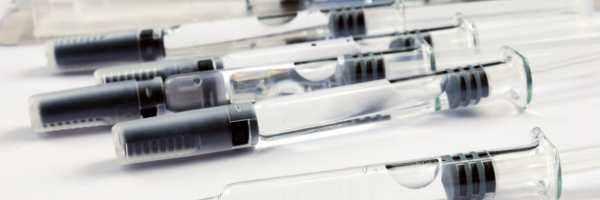
Pile of syringes with clear barrels and black measurement markings gathered in a metal container

Stronger Emphasis on Statistical Verification

The updated standard also introduces a stronger expectation that manufacturers use an appropriate statistical approach during design verification.

Rather than relying solely on simple pass/fail criteria, manufacturers should ensure that sample sizes and acceptance criteria provide sufficient confidence in product performance.

What Does This Mean for Manufacturers?

Although ISO 11040-8:2026 is not a complete rewrite, organisations should review their existing procedures to determine whether updates are required.
Areas likely to require attention include:

• Test method validation
• Standard operating procedures
• Equipment settings
• Data acquisition software
• Validation protocols
• Risk management documentation
• Design verification reports

Device Information

Benefits of the New Edition

The revisions bring several practical benefits for both manufacturers and testing laboratories:

• Improved repeatability between laboratories
• Better alignment with combination product expectations
• Standardised assessment of administration time
• More representative testing based on intended use
• Enhanced confidence in functional performance data

Collectively, these improvements support more consistent product evaluation throughout development, validation and routine quality control.

Final Thoughts

ISO 11040-8:2026 represents a natural evolution of the standard rather than a wholesale change. The revisions acknowledge the growing complexity of injectable drug products while providing clearer, more consistent methods for evaluating finished prefilled syringes.

For manufacturers, the message is clear: robust, intended-use-based performance testing is becoming increasingly important. Organisations that proactively review and update their validation and testing strategies will be well positioned to meet the expectations of the revised standard and continue delivering safe, reliable products to patients.

Laboratories near you, supporting global product success

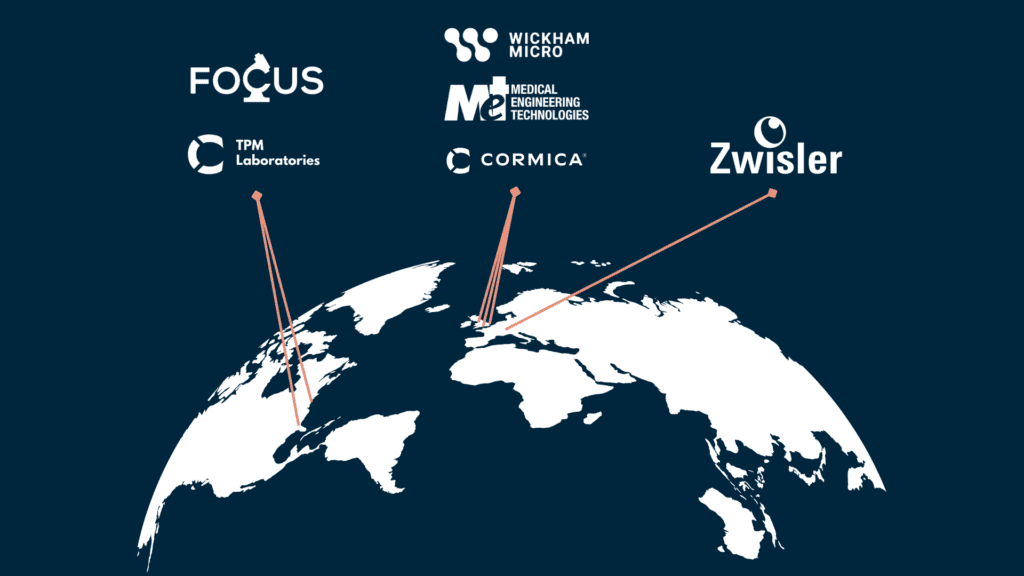
With accredited laboratories in the UK, EU and US, we support pharmaceutical, medical device and combination product manufacturers worldwide. Local support combined with global quality, delivered by teams who understand your regulatory requirements.

Cormica Award winning Testing laboratories
Cormica Global Map locations (1)

Our Clients’ Experiences

Contact our Experts
Please do not include links in your message. We do not test personal samples or provide medical diagnoses. Click here for Careers
Scroll to Top