USP <382> Update: What Manufacturers Need to Know for Functional Suitability of Elastomeric Components
Regulatory updates can create uncertainty for development and commercial teams. Cormica delivers the technical clarity and testing support needed to stay compliant without slowing down project timelines. Our specialists assess packaging system performance early and accurately so you can reduce risk and accelerate approvals.
See Cormica’s Packaging Testing
United States Pharmacopeia (USP) General Chapter <382> Elastomeric Component Functional Suitability in Parenteral Product Packaging and Delivery Systems was first released in June 2020 and will become an official requirement on 1 December 2025. This chapter marks a significant shift in how elastomeric components are assessed for injectable and parenteral products.
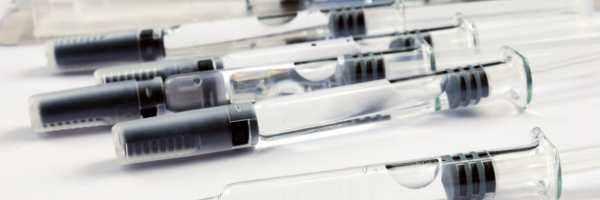
Instead of evaluating materials in isolation, USP <382> focuses on the functional performance of elastomeric components such as stoppers, plungers, and seals within the fully assembled system. This aligns expectations with real-world use to ensure container closure integrity, product quality, and patient safety.
Author:

Steven Malbon
Steven has over 10 years of experience in the medical device industry and is the Combination & Physical Devices Manager at Medical Engineering Technologies Ltd (MET), a Cormica lab. He is also a member of the Paternal Drug Association, contributing to the advancement of medical device guidance globally.
Share with your colleagues:
What is changing in USP <382> and USP <381>?
On 25 April 2025, USP issued a Revision Bulletin announcing important alignment between USP <381> and USP <382>. As part of this:
- Fragmentation tests are being removed from USP <381> because they are now addressed within USP <382>.
- The FDA raised concerns over increased allowable particle size limits for fragmentation testing, citing a lack of supporting safety data, which has prompted a delay in including fragmentation testing within the December 2025 version of USP <382>.
- Further engagement with industry and elastomer suppliers will continue to determine appropriate limits.
Expanded responsibilities for drug manufacturers
The update places greater accountability on manufacturers for demonstrating that packaging and delivery systems meet functional suitability requirements. Clarity has also been added regarding testing expectations for:
- Prefilled syringe components
- Auto-injector systems
- Critical parameters such as Break Loose Force, Glide Force, and Plunger Seal Integrity

Compliance timelines and regulatory impact
From 1 December 2025:
- All new submissions for parenteral and injectable products must comply with USP <382> requirements.
- Existing marketed products will require assessment to determine whether additional functional suitability data is needed to satisfy the updated chapter. Manufacturers are therefore encouraged to review current data packages and testing strategies now to avoid regulatory risk or delays in product lifecycle plans.
Act Now to Stay Ahead of the December Deadline
The transition to USP <382> represents a critical regulatory shift, but early planning will help avoid costly disruption. Whether you are preparing a new filing or reviewing your current product portfolio, Cormica’s specialists are ready to guide your teams through the changes with confidence.
How Cormica Can Support You
Cormica provides comprehensive testing expertise across elastomeric components and combination product packaging systems. Our physical and functional testing laboratories support compliance with USP <382>, USP <381>, ISO 11040, ISO 11608, and other relevant standards.
Our capabilities include:
• Functional testing for container closure and delivery systems, including syringes, stoppers, vial seals, auto-injectors, and cartridge assemblies
• Characterisation of break loose and glide forces, seal integrity, and extractable particulates
• Performance testing aligned with regulatory expectations for parenteral packaging
• Expert consultancy to review data gaps and build regulatory-ready strategies
We partner with drug developers and medical device manufacturers worldwide to deliver clear technical evidence, accelerate submissions, and maintain market confidence in existing products.

Other Cormica News, Events & Resources
Cormica's Webinars
Recent News
Technical Resources
Laboratories near you, supporting global product success
With accredited laboratories in the UK, EU and US, we support pharmaceutical, medical device and combination product manufacturers worldwide. Local support combined with global quality, delivered by teams who understand your regulatory requirements.