





Case Study: Pre-Filled Syringe Development for Tocilizumab
Home » Case Study » Case Study: Pre-Filled Syringe Development for a Biologic Drug
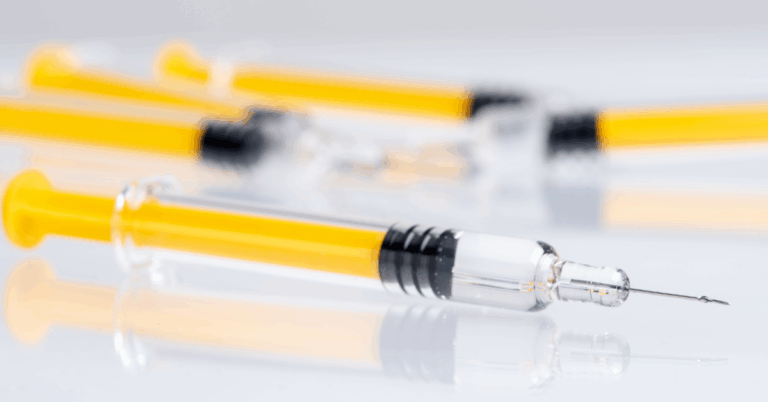
When developing pre-filled syringes (PFS), early testing plays a critical role in shaping safe, reliable, and user-friendly devices. Each design iteration can reveal new interactions between components, such as caps, plungers, or safety features, that influence usability, performance, and regulatory compliance.
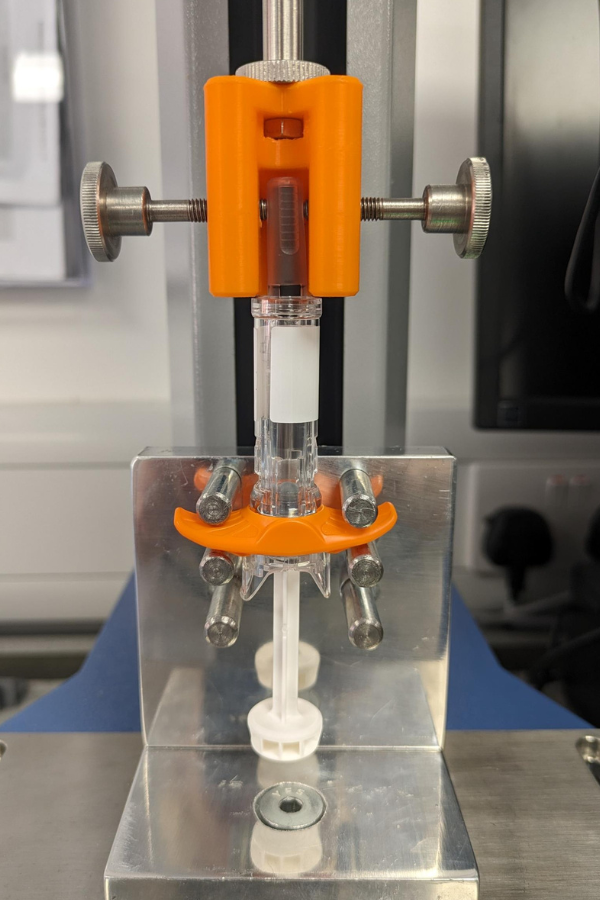
Cormica’s GMP, GLP, and ISO 17025 accredited laboratories specialise in functional and physical testing for pre-filled syringes in accordance with ISO 11040 standards, offering capabilities such as break-loose and glide force, cap and safety shield removal, dose accuracy, flange breakage, and leakage testing.
Author:
Hollie Gladwin
Hollie Gladwin has over a decade of experience in science and healthcare, specialising in closed container integrity testing and the use of advanced testing apparatus. she applies her expertise with precision and a focus on delivering reliable, high-quality results at Cormica MET.
Share This Resource
The Challenge
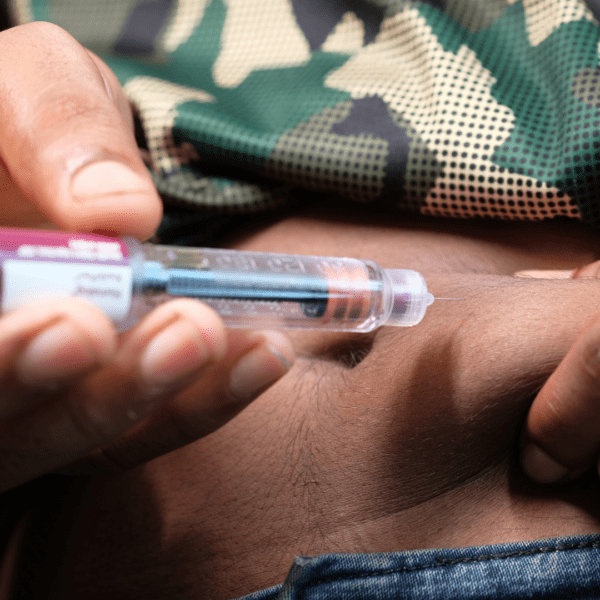
A pharmaceutical client set out to develop a new pre-filled syringe (PFS) for tocilizumab, aiming to provide a safer, more cost-effective delivery format for patients and healthcare professionals. Unlike vials or manual preparation, pre-filled syringes improve usability, reduce preparation time, and minimise dosing errors.
However, the client’s design was still evolving in the early development stages. Each production batch incorporated slight design adjustments, based on stakeholder feedback and performance observations. This meant that a static testing protocol was not sufficient. Test methods and acceptance criteria had to evolve with the device to ensure that issues were detected early and that test results remained relevant to the changing design.
Observed Issues During Testing
- Cap Removal Forces:
Testing revealed that the syringe cap required higher removal force than anticipated, exceeding expected user handling limits. This triggered a targeted investigation into the cap’s material composition and adhesive bond strength. By balancing seal integrity with usability, material and process adjustments were recommended. - Safety Shield Locking:
Safety shields were found not to lock consistently after activation. Detailed testing showed that inconsistent activation forces, combined with the placement of the syringe label, were interfering with locking clips. This insight prompted a design review not just of the component but of the entire assembly, ensuring usability and safety could be achieved together.
These issues highlighted how seemingly small design details (such as label placement) can have significant implications for device performance and patient safety.
Cormica’s Role and Expertise
Cormica provided both the testing capability and the development partnership needed to keep the project on track.
- Rapid Adaptation of Methods:
Our teams adjusted test protocols batch-by-batch to reflect evolving device features, ensuring that each new design iteration was tested under conditions that mirrored intended use. - Root Cause Analysis:
Using a combination of mechanical test data and careful visual inspection, we identified subtle design interactions that were not captured in the client’s initial risk assessments. For example, label overlap affecting locking clips became clear only through iterative functional testing. - Cross-Functional Collaboration:
We worked directly with the client’s design and manufacturing teams, providing data-driven recommendations and verifying design modifications within compressed timelines. - Maintaining Project Momentum:
Flexible scheduling and rapid turnaround of new test plans ensured that design issues were resolved without delaying critical development milestones.
Outcome & Client Feedback
The iterative testing programme provided actionable insights at every stage, feeding directly back into the design loop. Key device challenges were identified and resolved before progressing to costly validation stages.
- The client was able to adjust designs in response to real data, rather than assumptions.
- Development timelines were maintained despite multiple design changes.
- The client noted that Cormica’s ability to adapt methods quickly was instrumental in preventing bottlenecks and keeping the project moving forward.
Considerations for Developers
- Early device testing adds the most value when it is flexible and responsive to design evolution.
- Many performance issues arise from interactions between components rather than isolated parts.
- Partnering with an experienced testing provider helps manufacturers de-risk development, avoid costly late-stage failures, and bring safe, effective devices to patients more efficiently.


