


Understanding Paper-Film Sterilisation Pouches: A Practical Guide for Healthcare Settings

Paper-Film Sterilisation Packaging and Best Practice in Healthcare

Sterilisation pouches are essential in ensuring the sterility of instruments across various healthcare environments. With several types on the market such as SMS Nonwoven Wraps (Spunbond-Meltblown-Spunbond), Tyvek®Poches, and Paper-film (Paper/Plastic). Pouches-it’s important to understand how each one works and when to use them.

In this article, we’ll focus on the Paper-Film (Paper/Plastic) Sterilisation Pouches, one of the most used options in healthcare settings.

Author:

Picture of Carol Davies

Carol Davies

Carol has 17 years of experience across validation, quality control, sample management, and sterility operations. She currently works within the Sterility department at Cormica’s Wickham Micro site.

Share with your colleagues:

Facebook
Twitter
LinkedIn
Email
WhatsApp
Print

Where Are These Pouches Commonly Used?

Paper-Flim sterilisation pouches are widely used in:

  • Hospitals
  • Dental clinics
  • Veterinary practices
  • GP surgeries
  • Laboratories

They are a popular choice for several reasons:

  • Visibility: The clear plastic side allows for easy identification of instruments.
  • Ease of use: Simple sealing and opening processes.
  • Built-in Sterilisation indicators: Visual confirmation that the pouch has been processed.
  • Variety of sizes: Suitable for instruments of different shapes and sizes.

How Do Paper-Film Pouches Work?

These pouches are primarily designed for Steam sterilisation (autoclaving). Here’s what happens during the process:

  1. Steam penetration: The paper side of the pouch is porous and designed t react to heat. As the autoclave heats up, the paper opens its pores to allow steam to enter.
  2. Sterilisation: The steam circulates inside the pouch and sterilises the instruments
  3. Sealing: As the autoclave cools, the pores in the paper close, maintaining the sterility of the instruments inside.
  4. Drying: At the end of the cycle, it’s essential that the pouches are dry to prevent contamination
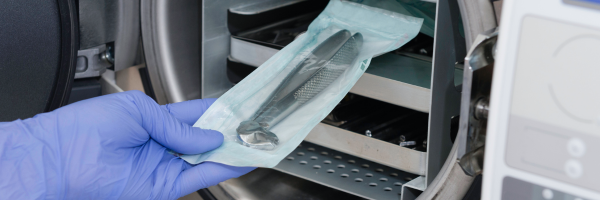
Medical instrument sealed in a paper-film sterilisation pouch during autoclave loading

Common Mistakes to Avoid

To ensure proper sterilisation, it’s important to avoid the following issues:

  • Folding the pouch: This could create a barrier that blocks steam penetration.
  • Overpacking: Crowding instruments inside the pouch can prevent even steam circulation, potentially leaving areas unsterilised.
  • Handling wet packaging: Moisture can cause a pathway to the sterilised equipment, leading to contamination.

Proper Storage After Sterilisation

Once the sterilisation process is complete:

  • Allow pouches to cool completely before handling.
  • Making sure all packaging is fully dry.
  • Store sterilised items:
    • Off the floor and away from the ceiling
    • Away from doorways and high-traffic areas.
    • Ideally in a controlled cleanroom or designated sterile cupboards.

Quick Checklist

Before and after sterilisation, ask yourself:

  • Is the pouch too tightly packed?
  • Is the package completely dry after the cycle?
  • Is the equipment stored correctly to maintain sterility?
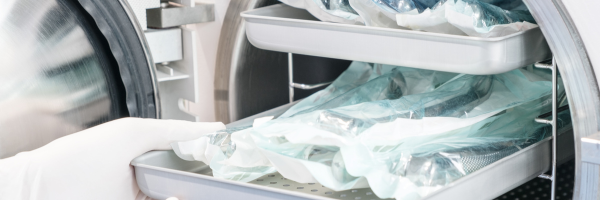
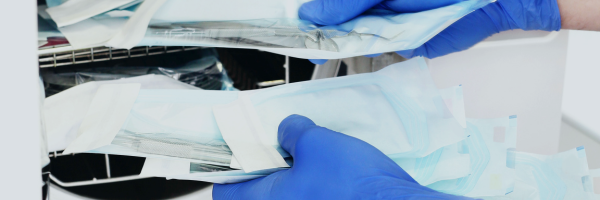
Paper-film sterilisation pouches containing medical instruments being loaded into an autoclave by a gloved operator

Final Thoughts

Paper-Film sterilisation pouches are practical, effective solution for many healthcare settings- but only when used properly. By following best practices for packing, processing, and storage, you can help ensure that every instrument is sterile, safe and ready for use.

Supporting Safe and Compliant Sterilisation Practices

Ensuring sterilisation packaging performs as intended is critical to patient safety and regulatory confidence. Cormica supports healthcare and medical device manufacturers with microbiological testing, sterility assurance, and reprocessing validation services designed to help you apply best practice with confidence. If you would like expert support or guidance, our teams are here to help.

Laboratories near you, supporting global product success

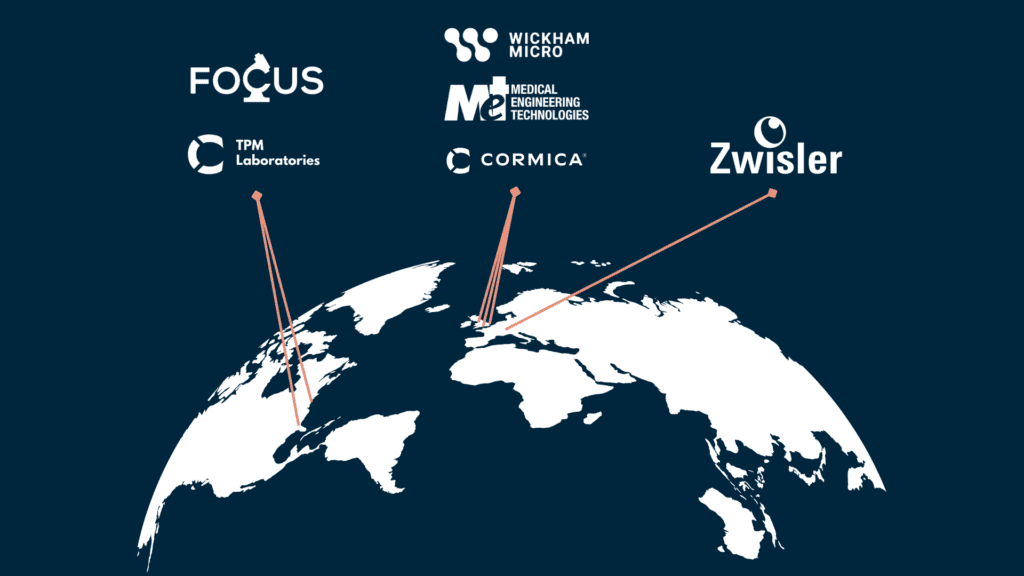
With accredited laboratories in the UK, EU and US, we support pharmaceutical, medical device and combination product manufacturers worldwide. Local support combined with global quality, delivered by teams who understand your regulatory requirements.

Cormica Global Map locations (1)

Our Clients’ Experiences

Contact our Experts
Scroll to Top